
Short answer: The Colón Free Zone is a duty-free trade area on Panama’s Caribbean coast where companies import, store, and re-export goods without paying local import taxes until the product leaves for its final market. For electronics, it works as a regional hub: brands and distributors stage inventory there, then re-export it across Latin America and the Caribbean with lower duty friction and faster reach. For a wholesale buyer, sourcing through this channel can mean shorter lead times and cleaner cross-border logistics.
Panama did not become a trade crossroads by accident. It sits on the canal, between two oceans and two continents. This guide explains what the Colón Free Zone is, why it matters for electronics distribution, and how genuine product moves through it to regional buyers.
What is the Colón Free Zone?
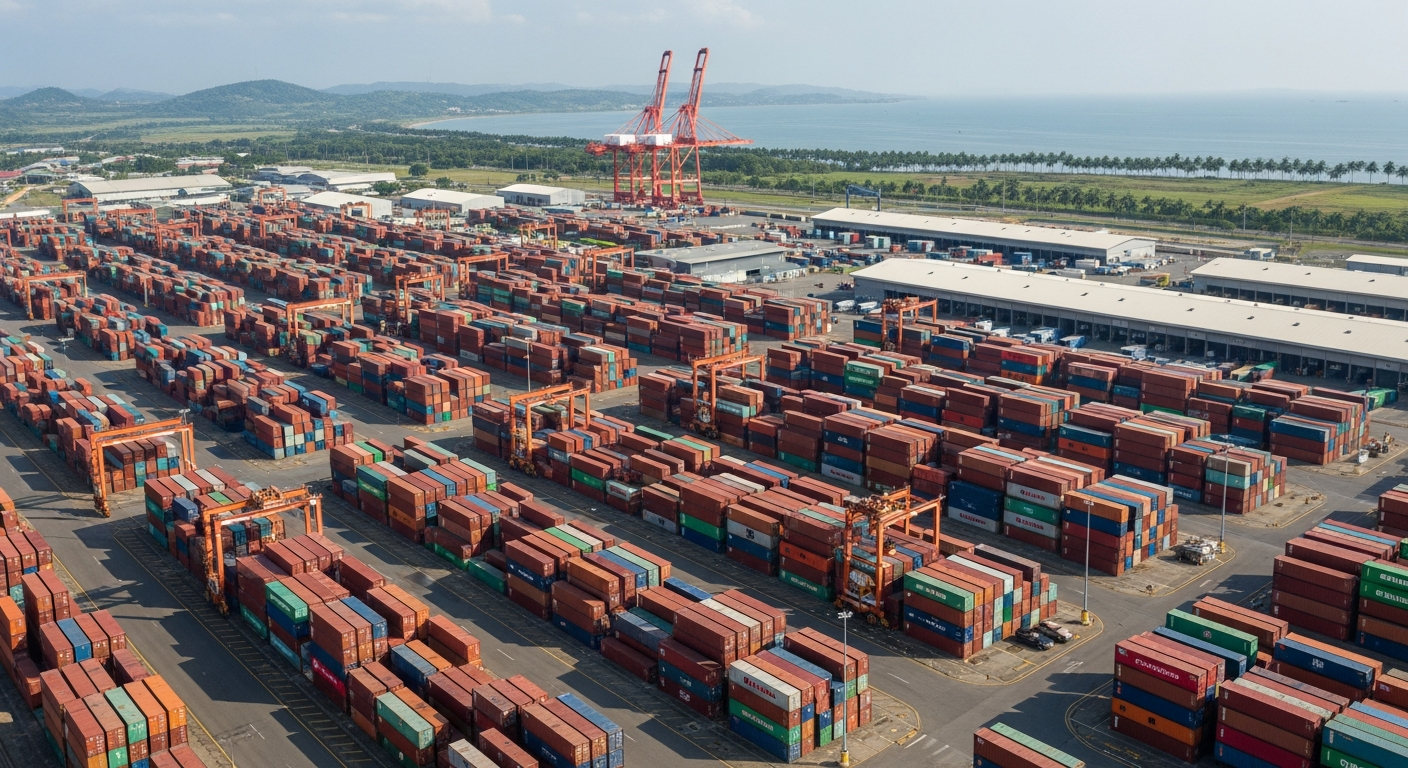
The Colón Free Zone is a free-trade area established in 1948 next to the Panama Canal’s Atlantic entrance, and it is the largest free zone in the Americas. Its scale is significant: total commercial activity reached roughly USD 24.96 billion in 2024 [Source: Panama Logistics Portal / INEC 2024]. Companies operating there import goods duty-free, hold them in bonded warehouses, and re-export them, paying local duties only in the destination country.
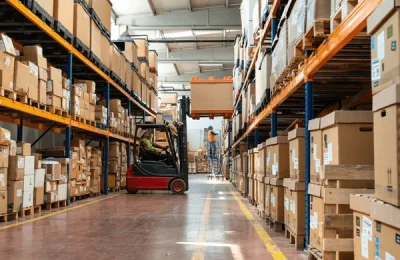
For technology brands, that structure removes a layer of cost and delay. Instead of shipping small consignments into each country separately, a distributor can consolidate inventory in Colón and release it market by market as demand appears.
Why the Colón Free Zone matters for electronics distribution
The Colón Free Zone matters because it turns Panama into a staging point for the whole region, which shortens the distance between a global brand and a local reseller. Re-export volumes show the momentum: re-exports rose 15% in 2023 to reach roughly USD 13.3 billion [Source: Panama Logistics Portal]. Electronics are a natural fit because they are high-value, standardized, and sensitive to lead time, exactly the kind of goods that benefit from centralized staging and fast re-export.
This complements a Miami sourcing strategy rather than replacing it. Many buyers combine a US authorized-distribution relationship with regional staging, a pattern our guide on importing electronics from Miami to Panama walks through.
Panama’s connectivity is what makes the zone work. The country sits on the canal, with major container ports on both the Atlantic and Pacific sides and one of the region’s busiest cargo airports nearby. For an electronics distributor, that means sea and air options, short transit times to most Latin American and Caribbean markets, and a mature logistics ecosystem of freight forwarders, brokers, and bonded warehouses. Few locations in the hemisphere combine that reach with duty-deferred storage, which is why the zone has stayed relevant for more than seven decades.
Colón Free Zone vs. shipping direct: what buyers gain
Routing through a regional hub is not always cheaper per unit, but it usually wins on speed, flexibility, and duty timing. Since more than 80% of world merchandise trade by volume moves by sea, and Panama sits on the busiest maritime crossroads in the hemisphere, the location advantage is real [Source: UNCTAD Review of Maritime Transport].
| Factor | Via Colón Free Zone | Direct to each country |
|---|---|---|
| Duty timing | Deferred until re-export | Paid on each import |
| Inventory staging | Consolidated, released on demand | Committed per shipment |
| Regional reach | One hub serves many markets | Separate lanes per market |
| Lead-time flexibility | High | Lower |
For buyers spread across several countries, that flexibility can be the difference between catching demand and missing it. A reliable electronics freight forwarder for LatAm is a key part of making the hub model work.
How electronics move through the Colón Free Zone
Electronics typically enter the zone from manufacturing or from a US hub, sit in bonded storage, then re-export to national markets as orders land. This model suits a fast-growing region: the Latin America consumer electronics market reached USD 78.44 billion in 2024 and is projected to reach USD 145.43 billion by 2033 [Source: IMARC Group 2025]. Growth on that scale rewards distributors who can move inventory quickly and cleanly across borders.
ATC pairs its Miami distribution base with regional coverage, including Panama, so buyers can source once and serve many markets. The same logic extends to Caribbean and island markets.
How buyers use the Colón Free Zone effectively
The hub only pays off when you plan around it deliberately. A few practices separate buyers who benefit from those who just add a stop to the route:
- Consolidate, then release. Stage a larger order in the zone and draw it down market by market, instead of importing small lots into each country.
- Confirm destination duties early. Duty is deferred in the zone but paid on final import, so model the destination country’s tariff before you commit.
- Keep documentation clean. Re-export means a second set of paperwork. Matching invoices and serial ranges prevents customs delays.
- Pair with an authorized source. A free zone lowers cost, not risk, so combine it with a legitimate supplier.
Consider a reseller serving three countries. Importing directly, they commit separate shipments, pay duty on each, and wait on three customs processes. Staging one consolidated order through the Colón Free Zone lets them hold inventory duty-deferred, release it as each market’s demand appears, and pay duty only on what actually ships. The result is less capital tied up and faster response to demand, without gambling on any single market’s timing.
The Colón Free Zone and authorized distribution
A free zone lowers duty friction, but it does not guarantee genuine product. Diverted and gray-market stock also passes through trade hubs, which is why buyers should still confirm they are working with an authorized channel, not just a low price. Combining the logistics advantage of the Colón Free Zone with an authorized distributor gives you both speed and legitimacy. That is the model behind ATC’s distribution solutions.
How Abboud Trading Corporation supports regional buyers
Abboud Trading Corporation is an authorized electronics distributor with a Miami headquarters and offices across Latin America, including Panama, serving the Americas and the Caribbean for more than 25 years. ATC helps buyers combine authorized sourcing with regional staging, so inventory reaches national markets quickly and with clean documentation. Learn more about ATC or contact the team to plan a regional supply strategy.
Frequently asked questions
What is the Colón Free Zone used for?
It is a duty-free area where companies import, store, and re-export goods without paying local import taxes until the product leaves for its destination market. It is widely used to stage and redistribute consumer goods, including electronics, across Latin America and the Caribbean.
Is the Colón Free Zone the largest in the world?
It is the largest free zone in the Americas and one of the largest globally by trade volume, with roughly USD 24.96 billion in commercial activity in 2024. It sits beside the Panama Canal on the Caribbean coast.
Do I still pay import duties when buying through the zone?
Duties are generally deferred while goods sit in the zone and are paid in the destination country when the product is re-exported and imported there. The exact treatment depends on the destination market’s rules, so confirm with your distributor and customs broker.
How does the Colón Free Zone compare to sourcing from Miami?
They are complementary. Miami is a strong authorized-distribution and sourcing base, while the Colón Free Zone is a regional staging and re-export hub. Many buyers use both to balance product legitimacy with duty timing and speed.
Conclusion
The Colón Free Zone gives electronics buyers in Latin America and the Caribbean a faster, more flexible path to inventory, especially when paired with an authorized sourcing base in Miami. Used together, they cut friction without cutting corners on legitimacy. To build a regional supply plan that uses both, talk to ATC about becoming a partner.