
Table of Contents
- The Latin American Gaming Market — Why It’s Worth Taking Seriously
- Which Gaming Peripheral Categories Move in LatAm
- The Brands That Drive Volume
- Who Buys Gaming Peripherals Wholesale in LatAm
- Sourcing Gaming Peripherals Through Authorized Channels
- Pricing Gaming Peripherals for the LatAm Market
- Market-by-Market Demand Differences
- Frequently Asked Questions
1. The Latin American Gaming Market — Why It’s Worth Taking Seriously
Latin America has approximately 300 million active gamers — one of the largest gaming populations in the world by absolute number. Brazil, Mexico, Argentina, Colombia, and Chile are among the top 20 gaming markets globally. The segment has grown consistently year over year, driven by mobile gaming adoption, PC gaming culture in urban areas, and the rapid expansion of competitive gaming (esports) at all levels.
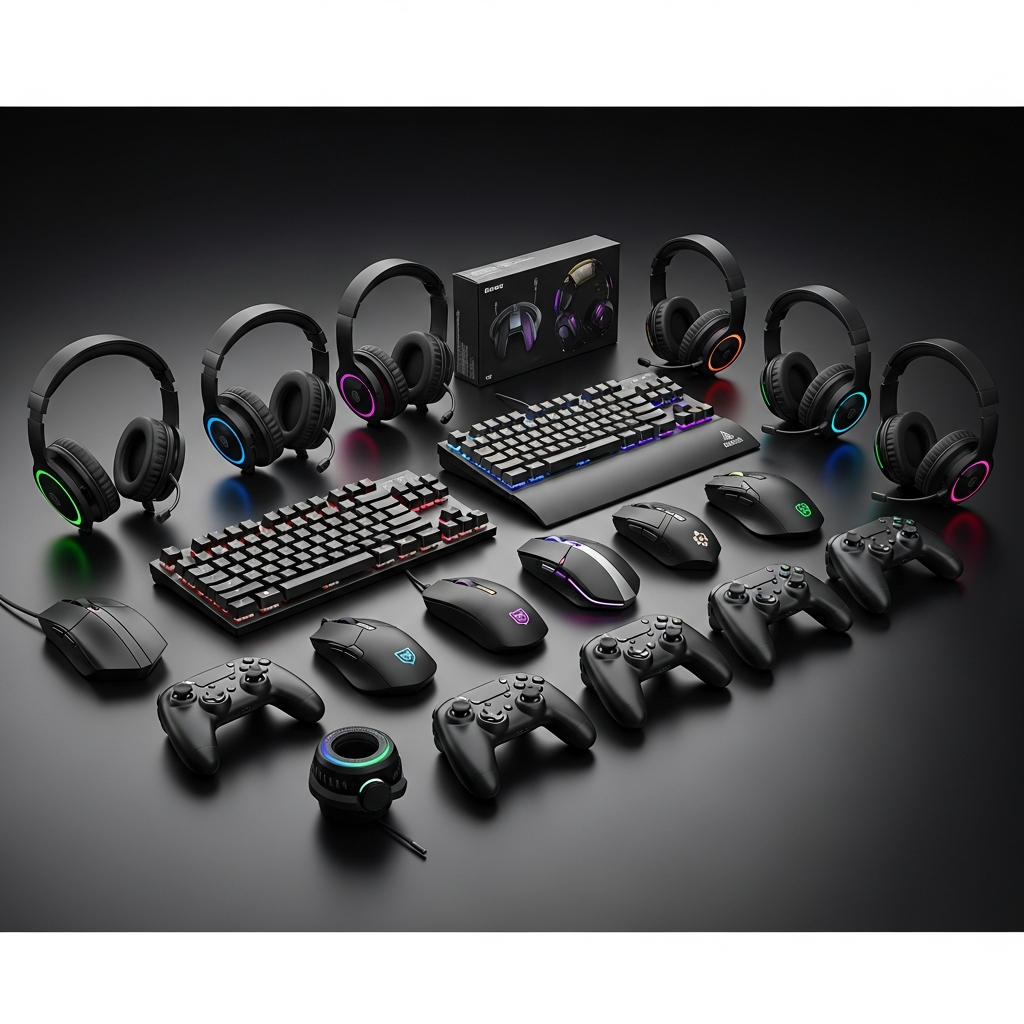
For electronics resellers and distributors, this translates into consistent, growing demand for gaming peripherals — headsets, keyboards, mice, mousepads, controllers, and gaming chairs — across price tiers that range from entry-level accessible to enthusiast-grade premium.
What makes gaming peripherals particularly attractive for LatAm wholesale operations is the product lifecycle: unlike smartphones, which turn over every 12–18 months, quality gaming peripherals have longer active cycles. A well-reviewed headset or mechanical keyboard can remain a top seller for 2–3 years. For context on how gaming peripherals fit into a broader wholesale product mix, read our guide on how to start a consumer electronics business in Latin America.
2. Which Gaming Peripheral Categories Move in LatAm
Gaming headsets: The highest-volume gaming peripheral category across all LatAm markets. Both console and PC gamers buy them, and there is demand across all price tiers — from $30 entry-level to $150+ enthusiast models. Wireless headsets have grown significantly as a share of the category.
Gaming mice: Strong demand in PC gaming markets — particularly Chile, Colombia, Argentina, and urban Brazil and Mexico. Wireless gaming mice have gained significant share from wired options over the past two years.
Mechanical keyboards: A premium-leaning category but with broad demand in markets with strong PC culture. Tenkeyless (TKL) and 60% form factors have grown as the gaming demographic skews younger and more space-conscious.
Mousepads: High-velocity, low-cost, high-margin accessories. Gaming mousepads are a consistent add-on purchase and easy to bundle with other peripherals.
Gaming controllers: Strong demand in markets with high console penetration — Brazil and Mexico particularly. Third-party controllers at accessible price points move at high volume.
3. The Brands That Drive Volume
Razer: The dominant premium gaming peripheral brand across LatAm. Strong brand recognition in the 16–30 demographic, particularly in urban markets. Headsets, mice, keyboards, and mousepads all move. Razer products command a genuine price premium that buyers in the enthusiast segment are willing to pay.
Logitech / Logitech G: Strong across all price tiers. Logitech’s mid-range gaming line (G series) fills the gap between entry-level and premium, making it a workhorse category for resellers who want volume across the market.
SteelSeries: Growing brand in the enthusiast segment, particularly among competitive gamers. Less retail-mainstream than Razer or Logitech but with a loyal, high-intent buyer base.
HyperX (HP): Very strong in the headset category. HyperX Cloud headsets are among the most recognized gaming headsets across Latin America and have a reputation for durability that sustains repeat purchases.
Browse the ATC brand catalog to see what gaming peripheral brands are available through ATC’s authorized distribution network.
4. Who Buys Gaming Peripherals Wholesale in LatAm
Electronics retailers with gaming sections: The largest buyer segment. Physical stores in major cities increasingly dedicate floor space to gaming peripherals, particularly in shopping malls targeting the 15–30 demographic.
Online retailers and marketplace sellers: Mercado Libre is the dominant gaming peripheral marketplace across LatAm. Third-party sellers on Mercado Libre source wholesale and sell at competitive retail margins. Gaming peripheral listings on ML are among the highest-review-count categories.
Esports venues and gaming cafes: Commercial gaming venues buy peripherals in volume for their setups. They replace equipment regularly and prioritize durability and brand recognition for their customers’ experience.
Corporate and educational buyers: A growing segment as remote work and hybrid education normalize headset use beyond gaming contexts.
5. Sourcing Gaming Peripherals Through Authorized Channels
The same authorized distribution logic that applies to smartphones and audio applies to gaming peripherals. Razer and Logitech have authorized distributor structures that cover Latin America — and products sourced outside these channels may not carry valid regional warranties. For a detailed breakdown of how authorized wholesale distribution works for major electronics brands, read how Samsung, JBL, and Kingston wholesale distribution works for LatAm resellers.
Gaming peripherals are also among the most counterfeited electronics categories — particularly headsets and mice. The counterfeit market for Razer and Logitech products is well-established in several LatAm markets. Buyers who source through unauthorized channels face both counterfeit risk and warranty liability.
For guidance on how to verify supplier authorization and avoid grey market exposure, read how to source consumer electronics wholesale products with confidence.
6. Pricing Gaming Peripherals for the LatAm Market
Gaming peripherals span a wider price range than most electronics categories, which creates both opportunity and complexity for resellers building a product mix.
Entry-level products ($15–$40): high volume, thin margins, quick turnover. Best for resellers focused on Mercado Libre volume or serving price-sensitive markets. Mid-range products ($40–$100): the sweet spot for most LatAm markets. Strong brand-name demand from Razer and Logitech, acceptable margins, and broad buyer demographics. Premium products ($100+): lower volume but strong margins. Suitable for specialty gaming retailers in major cities and online stores targeting enthusiast buyers.
Always calculate your full landed cost before building a retail price. For a framework, read our consumer electronics wholesale strategy guide.
7. Market-by-Market Demand Differences
Brazil: The largest gaming market in LatAm by volume. Console gaming (PlayStation, Xbox) has historically been stronger here than in other markets. High gaming peripheral demand across all categories. Import taxes are significantly higher than other LatAm markets — factor this into your landed cost.
Mexico: Strong PC and mobile gaming culture. Razer and Logitech both have strong brand recognition. Gaming cafe culture remains active in secondary cities. See our Mexico import guide for cost and logistics specifics.
Colombia: Growing esports scene, particularly in Medellín and Bogotá. Mid-range peripherals have strong demand. See our Colombia import guide.
Chile: Highest per-capita income in LatAm translates to stronger premium peripheral demand. Enthusiast buyers in Santiago are willing to pay Razer flagship pricing. See our Chile import guide.
Ready to get started? Visit our contact page, browse our full brand catalog, or explore our distribution solutions. You can also reach the sales team directly at (786) 235-7007.
Frequently Asked Questions
Are gaming peripherals subject to the same import duties as other electronics?
Yes — gaming peripherals are classified under standard electronics HS codes and subject to the same import duty and VAT structure as other consumer electronics in each LatAm market. The specific rate depends on the product category and country. Your agente aduanal confirms the applicable rate for each HS code.
Is there meaningful demand for gaming peripherals outside major cities in LatAm?
Entry and mid-range gaming peripherals have broad demand beyond major urban centers, particularly where mobile gaming is strong. Premium peripherals ($100+) are primarily an urban phenomenon. Resellers targeting secondary cities and regional markets typically focus on the entry-to-mid range and find consistent volume there.
How do gaming peripheral product cycles compare to smartphones?
Significantly longer. A well-regarded gaming mouse or headset typically remains commercially relevant for 18–36 months — sometimes longer. This makes gaming peripherals more forgiving for inventory planning than smartphones, where a new model can devalue existing stock within weeks.