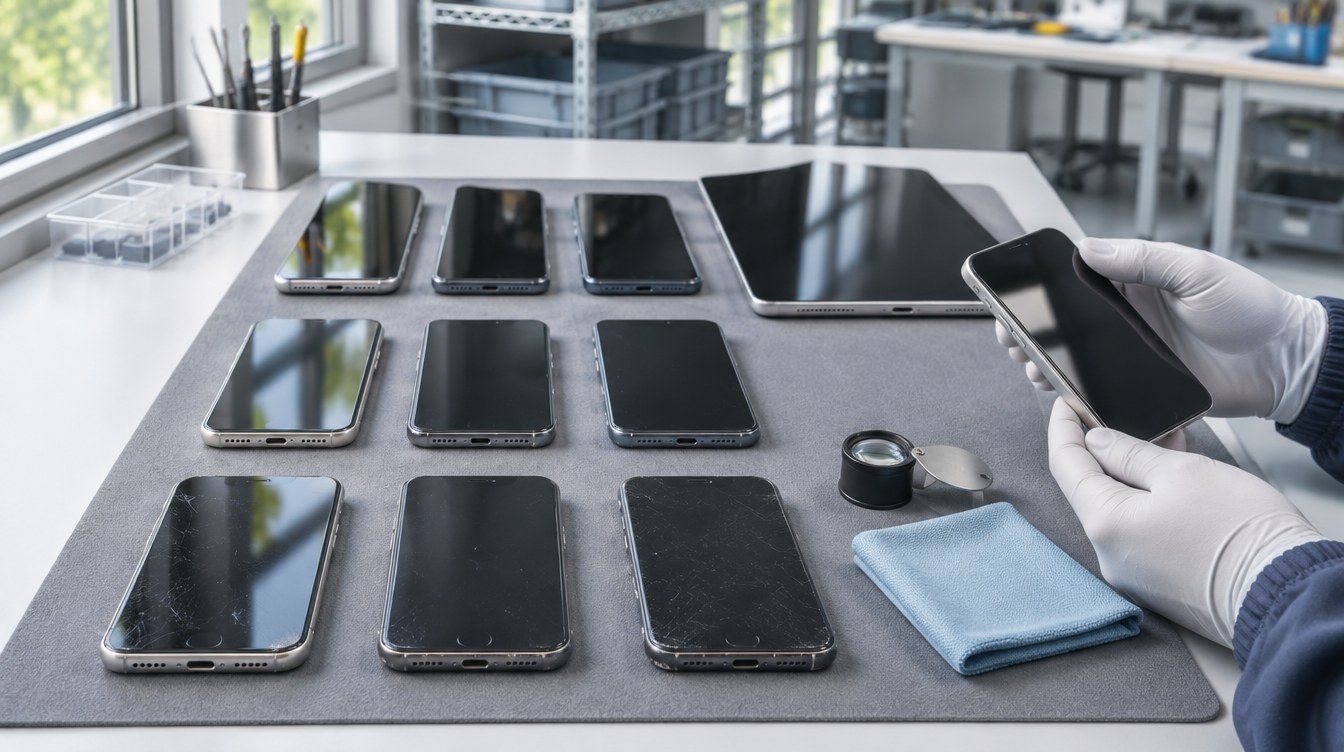

Refurbished electronics grading is the cosmetic and functional scale a seller uses to describe the condition of a used device. Grade A usually means near-new with minimal signs of use, Grade B shows light visible wear, and Grade C shows heavy cosmetic wear but still works. The catch for wholesale buyers is that no single global standard exists, so the same letter can mean different things from two suppliers.
That gap is where margin disappears. A pallet bought as “Grade A” that arrives as mixed A and B can turn a profitable lot into a loss. This guide explains how grading works, where the scales differ, and how to protect yourself before you place a volume order.
Why refurbished electronics grading matters more in 2026
Grading matters because the refurbished market is now large enough that condition disputes carry real money. The global refurbished retail market reached about USD 151.5 billion in 2025 and is forecast to hit USD 365.2 billion by 2034 [Source: IMARC Group 2025].
Demand is also shifting toward emerging markets. In the first half of 2025, refurbished smartphone sales grew an average of 4% in emerging markets versus a flat 1% in mature markets [Source: Counterpoint Research 2025]. For resellers in Latin America and the Caribbean, that means more buyers, more suppliers, and more variation in what a grade letter really means. Our overview of why refurbished electronics wholesale is growing covers the demand side in more detail.
What do Grade A, B and C mean?
Most suppliers use a three or four tier scale built around cosmetic condition, with full function expected at every grade. The table below shows the common definitions you will see on wholesale manifests.
| Grade | Typical cosmetic condition | Typical function | Best fit |
|---|---|---|---|
| A (or “Excellent”) | Little to no visible wear on screen or housing | Fully functional, battery tested | Retail shelves, premium resale |
| B (or “Good”) | Light scratches or scuffs, none on the active screen area | Fully functional | Value retail, marketplace sellers |
| C (or “Fair”) | Heavy scratches, dents or discoloration | Functional, may have minor non-critical issues | Budget channels, parts recovery |
| D or “As Is” | Damaged or untested | Not guaranteed | Repair shops and parts only |
“As Is” volume is growing fast. Counterpoint reported that “As Is” devices rose 10% year over year in H1 2025, outpacing refurbished smartphone growth [Source: Counterpoint Research 2025]. Cheap lots attract buyers, but an untested pallet is a different product from a graded one, and it should be priced that way.
Grades also differ by category. On a phone, the screen carries most of the grade, because it is what the end customer sees first. On a laptop, keyboard wear, hinge play and battery cycle count matter as much as the lid. On tablets, look for pressure marks on the display that only show on a white screen. When you compare quotes from two suppliers, compare the criteria per category, not just the letter. A cheaper Grade A laptop lot often allows keyboard shine or a replaced battery that another supplier would class as Grade B.
Is there an industry standard for refurbished grades?
Yes, for phones, but it is voluntary. In 2019 CTIA, the US wireless industry association, published a common standard for grading pre-owned wireless devices, developed by its Reverse Logistics and Service Quality working group with carriers, insurers, logistics firms and repair companies [Source: TelecomTV 2019]. CTIA updated the standard in 2024 [Source: Wireless Design Online 2024].
Laptops, tablets and accessories have no equivalent shared scale. That is why your purchase agreement, not the letter on the listing, should define the grade. Ask every supplier for their written grading criteria and keep it with the order.
How to check a supplier’s grading before you buy
The fastest check is to ask for written criteria, certification, and a sample. A serious refurbisher will provide all three without pushback.
- Written grade definitions. Screen, housing, ports, battery health threshold and accessories, for each grade.
- Certification. R2v3 from SERI is the most common responsible-electronics standard. About 80% of R2v3 facilities were certified for reuse activities such as returns, trade-ins and remarketing [Source: Resource Recycling 2022].
- Data wipe proof. A certificate of data sanitization for every unit.
- Sample lot. Order a small mixed sample before committing to volume.
- Return terms. A clear remedy if more than an agreed share of units fail the stated grade.
Many of the same warning signs apply to new stock. Our 12 red flags checklist for verifying an electronics wholesaler is a good companion to this list.
What to put in a refurbished electronics grading contract
Put the grade definition, the tolerance and the remedy in writing. Without those three items, a grade dispute becomes your word against the supplier’s.
| Clause | What it should say |
|---|---|
| Grade definition | The supplier’s criteria attached as an appendix |
| Tolerance | The maximum share of units allowed below the ordered grade |
| Battery health | A minimum capacity for phones and laptops |
| Inspection window | How many days you have to inspect and report |
| Remedy | Credit, replacement or return, and who pays freight |
Freight terms matter here too. If a lot ships under EXW, you carry the cost of returning bad units. Our guide to Incoterms for electronics importers explains where risk transfers. A documented RMA and warranty process is the other half of the protection [Source: TelecomTV 2019].
Refurbished vs new authorized stock: which fits your channel?
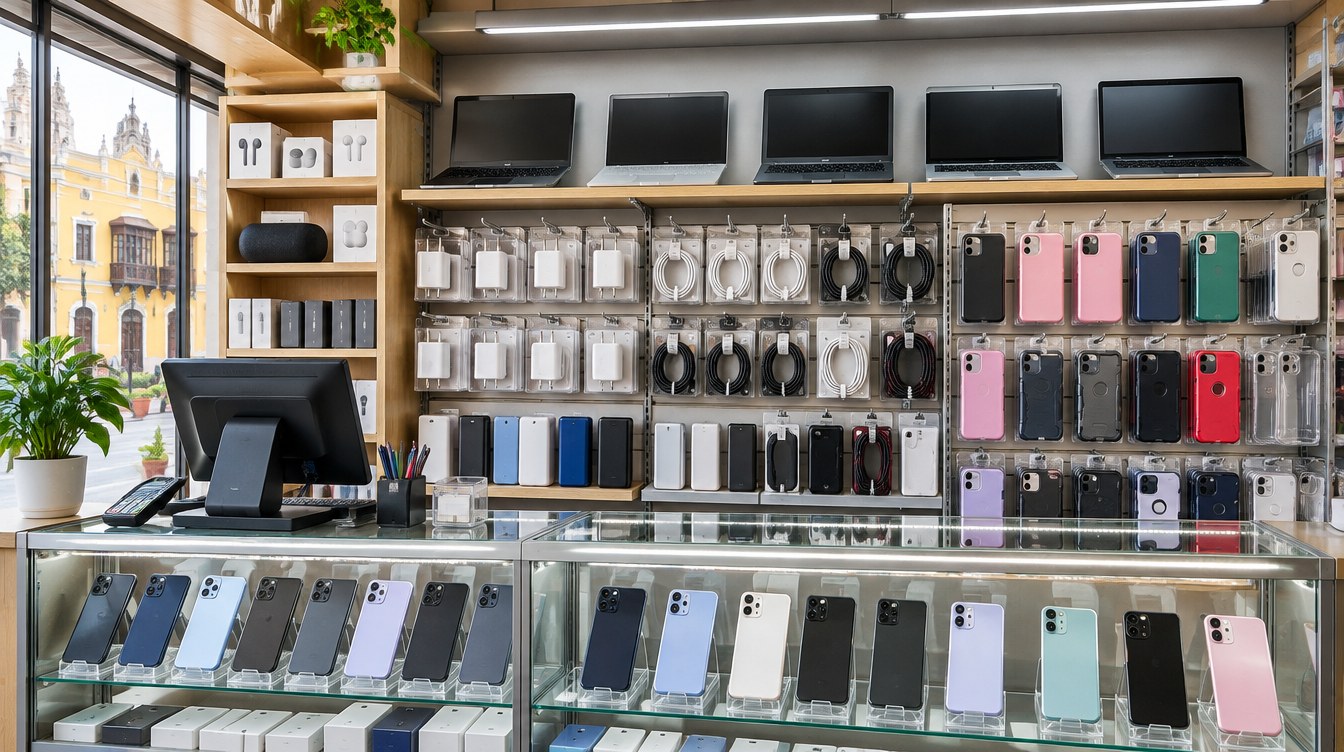
Refurbished stock wins on price, while new authorized stock wins on warranty, consistency and brand support. Most resellers do best with a mix matched to each customer segment. With refurbished smartphone growth flat in mature markets in H1 2025, new stock still carries most premium demand [Source: Counterpoint Research 2025].
- Choose new authorized stock for corporate fleets, education rollouts and retail chains that need manufacturer warranty and identical units.
- Choose graded refurbished for price-sensitive retail, trade-in programs and markets where entry price drives volume.
- Avoid mixing grades in one SKU on your own shelves. It creates returns and erodes trust.
The difference between authorized and unverified supply is covered in our guide to authorized distributors vs the gray market.
How Abboud Trading supports volume buyers
Abboud Trading has supplied resellers, retailers and enterprise buyers across the Americas and the Caribbean from Miami since 1996, as an authorized distributor for brands such as Samsung, JBL and Kingston. For buyers who need consistent condition across every unit, new authorized stock removes grading risk entirely. Our distribution solutions and retail solutions explain how we structure volume orders, and our guide to minimum order quantities covers how to size a first order.
Frequently asked questions
Is Grade A refurbished the same as new?
No. Grade A means the device shows little or no visible wear and works fully, but it has been used and refurbished. It usually carries a seller or refurbisher warranty rather than the original manufacturer warranty. Battery capacity can also be lower than a new unit. If your customers expect a manufacturer warranty, buy new authorized stock instead.
Can two suppliers use different meanings for Grade B?
Yes. Outside the voluntary CTIA standard for phones, grading scales are set by each supplier. One supplier’s Grade B can allow small screen scratches while another’s does not. Always request the written criteria and attach them to your purchase order so the grade is defined by contract, not by the listing.
What battery health should I require for refurbished phones and laptops?
There is no universal rule, so set a minimum in your contract that matches your channel. Retail buyers often require a higher threshold than budget or parts buyers. Whatever you choose, make sure the supplier tests and reports battery health per unit, and that units below your threshold are covered by the agreed remedy.
How large should a first refurbished order be?
Start with a small sample lot that includes every grade you plan to buy. Inspect it against the written criteria before you commit to volume. This tests the supplier’s grading discipline at low risk and gives you a baseline for later disputes.
Conclusion
Refurbished electronics grading only protects you when the grade is defined in writing, tested on a sample and backed by a remedy. Treat the letter on a listing as a starting point, not a promise. If you need consistent stock across Latin America and the Caribbean, contact our team to discuss authorized supply for your next order.