
Short answer: Incoterms are standardized international trade terms that define who is responsible for the cost, risk, and logistics at each stage of a shipment, from the seller’s dock to the buyer’s door. They answer two questions on every deal: who pays for what, and who bears the risk if something goes wrong. For electronics importers, choosing the right Incoterm decides whether you control freight and insurance or hand that job to the supplier, and it prevents disputes when a shipment is damaged or delayed.
A price quote means little until you know the Incoterm attached to it. The same unit price can carry very different total costs depending on who arranges shipping and insurance. This guide explains the terms electronics importers use most and how to pick the right one.
What are Incoterms?
Incoterms, short for International Commercial Terms, are a set of rules published by the International Chamber of Commerce that standardize the responsibilities of buyers and sellers in cross-border trade. The current version, Incoterms 2020, defines 11 rules recognized worldwide as the authoritative text for allocating cost and risk in international transactions [Source: ICC 2020].
Each rule sets a precise handoff point. Before that point, the seller carries the cost or risk; after it, the buyer does. Getting that handoff right is the whole job.
Why Incoterms matter for electronics importers
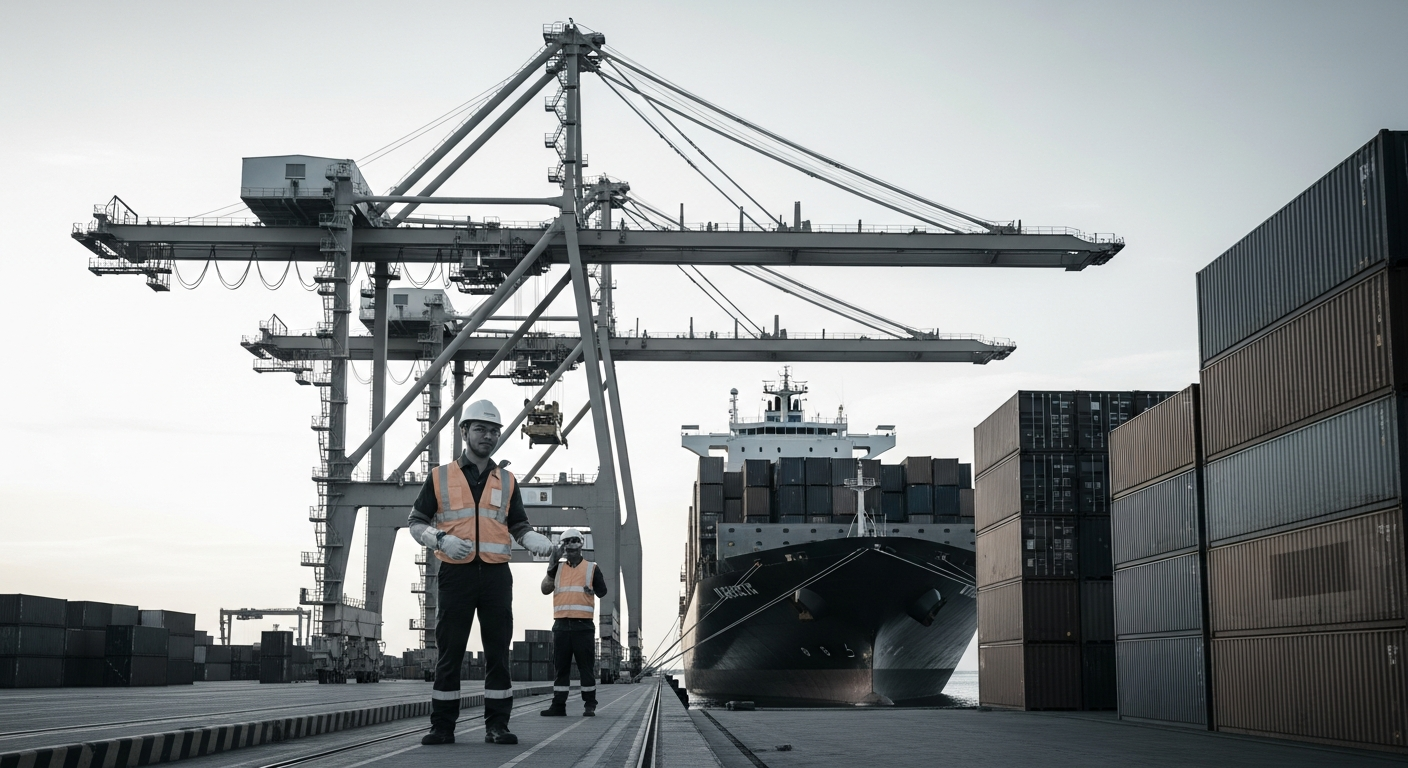
Incoterms matter because most electronics travel by sea, where cost and risk shift hands in transit and the stakes are high. More than 80% of world merchandise trade by volume, and over 70% by value, moves by sea and passes through ports [Source: UNCTAD Review of Maritime Transport]. For high-value, fragile goods like electronics, the wrong Incoterm can leave you uninsured at the exact moment a container is most exposed.
The right term also affects your working capital and control. Taking on freight yourself can lower landed cost but adds responsibility; leaving it to the seller is simpler but less transparent. A good electronics freight forwarder helps you weigh the trade-off.
Incoterms also settle disputes before they start. When a container is damaged, delayed, or lost, the first question is always who owned the risk at that moment. A clearly stated Incoterm answers it without argument, because both parties agreed the handoff point in writing. Skipping the term, or assuming the other side means what you mean, is how a routine shipment turns into a standoff over an uninsured loss. For high-value electronics, that clarity is worth far more than the few minutes it takes to specify.
FOB, CIF, and EXW: the terms importers use most
Three Incoterms cover most electronics deals, and they sit at different points on the risk spectrum. CIF is one of the most traditional and is often required in letter-of-credit trade, since banks processing LCs frequently ask for CIF or CIP [Source: ICC Academy].
| Incoterm | Who arranges main freight | Where risk transfers to buyer |
|---|---|---|
| EXW (Ex Works) | Buyer (from seller’s premises) | At the seller’s door |
| FOB (Free On Board) | Buyer (after loading) | Once loaded on the vessel |
| CIF (Cost, Insurance, Freight) | Seller (to destination port) | Once loaded on the vessel |
Note the CIF nuance: the seller pays freight and insurance to the destination port, but risk still passes to the buyer at loading. FOB and CIF apply to sea freight; EXW works for any mode. New importers often start with CIF for simplicity, then move toward FOB as they build their own freight relationships.
How to choose the right Incoterm
The best Incoterm depends on how much of the logistics you want to control and how capable your freight setup is. Use these questions to decide:
- Do you have a freight forwarder you trust? If yes, FOB gives you control and often a lower landed cost. If no, CIF lets the seller handle it while you build capability.
- Who should hold the insurance? Under CIF the seller insures to the destination port, but only at minimum cover. High-value electronics often warrant your own, broader policy.
- Is a bank involved? Letter-of-credit deals frequently require CIF or CIP, so check financing terms before you pick.
- How experienced is the supplier? EXW shifts nearly everything to you, which suits seasoned importers but overwhelms newcomers.
Consider a practical example. A buyer is quoted USD 100 per unit EXW and USD 108 per unit CIF. EXW looks cheaper, but once the buyer adds inland transport to the port, export clearance, freight, and insurance, the true landed cost climbs past USD 112. The CIF quote, which bundles most of that, turns out lower and far simpler. Without reading the Incoterm, the buyer would have chosen the more expensive option thinking it was the bargain. That is why the term, not just the number, decides your real cost.
Incoterms and importing electronics into Latin America
For Latin American importers, Incoterm choice interacts with a fast-growing, logistics-complex market. The Latin America consumer electronics market reached USD 78.44 billion in 2024 and is projected to hit USD 145.43 billion by 2033 [Source: IMARC Group 2025]. As volumes rise, importers who understand Incoterms gain leverage: they can negotiate freight, control insurance, and avoid the hidden costs that eat margin.
This is why our country guides, such as importing electronics from Miami to Mexico and from Miami to Colombia, pair Incoterm choices with each route. Staging through a hub like the Colón Free Zone adds another layer to plan for.
Latin American routes carry their own quirks that make the Incoterm choice sharper. Customs procedures, documentation requirements, and clearance times vary widely from country to country, and a term that works cleanly into one market can create delays in another. A buyer importing into several countries may deliberately choose different Incoterms per lane, taking FOB where they have strong local freight partners and CIF where they do not. Aligning the Incoterm to each destination, rather than defaulting to one term everywhere, is how experienced importers keep landed costs predictable across a region.
How Abboud Trading Corporation supports importers
Abboud Trading Corporation is an authorized electronics distributor with a Miami headquarters and a multi-country logistics network across Latin America and the Caribbean, built over more than 25 years. ATC helps buyers structure shipments with clear Incoterms, clean documentation, and authorized product, so the terms on the invoice match the reality in the container. Sourcing through an authorized channel also keeps warranties and paperwork intact across borders. Learn more about ATC and its Miami distribution base, explore distribution solutions, or contact the team.
Frequently asked questions
What is the difference between FOB and CIF?
Under FOB, the buyer arranges and pays for the main sea freight and insurance after the goods are loaded. Under CIF, the seller pays for freight and insurance to the destination port. In both, risk passes to the buyer once the goods are loaded on the vessel.
Which Incoterm is best for a new electronics importer?
Many new importers start with CIF because the seller handles freight and insurance, which reduces complexity. As you build freight relationships and volume, FOB often gives more control and lower landed cost. The best choice depends on your logistics capability.
Do Incoterms cover customs duties and taxes?
Incoterms allocate transport cost and risk, and some terms address export or import clearance responsibility, but they do not set the duty or tax rates themselves. Those depend on the destination country’s tariff schedule and product classification.
Are FOB and CIF only for sea freight?
Yes. FOB, CIF, CFR, and FAS are maritime and inland-waterway terms. For air, road, or multimodal shipments, terms like FCA, CPT, or CIP are the correct equivalents under Incoterms 2020.
Conclusion
Incoterms are the fine print that decides your real cost and risk on every shipment. For electronics importers moving high-value goods by sea, understanding FOB, CIF, and EXW is the difference between a predictable landed cost and an expensive surprise. To structure shipments with clear terms and authorized product, talk to ATC about becoming a partner.