
Table of Contents
- Chile as an Electronics Import Market
- The US-Chile FTA and What It Means for Your Costs
- How the Import Process Works Step by Step
- Required Documents for Chilean Customs (SNA)
- Duties, IVA, and Landed Cost
- Air vs. Sea from Miami to Chile
- Choosing a Miami Wholesale Distributor for Chilean Buyers
- How Abboud Trading Corp. Supports Chilean Buyers
- Frequently Asked Questions
1. Chile as an Electronics Import Market
Chile is one of the most mature consumer electronics markets in Latin America — high smartphone penetration, a strong retail infrastructure, and a middle class with real purchasing power. It’s also one of the most trade-open economies in the region, with more free trade agreements than almost any other country in the world.
Chilean buyers sourcing from Miami consistently cite three advantages: price competitiveness on branded products, access to SKUs not always available locally, and warranty coverage through authorized US distribution channels. For a full overview of why Miami is the right sourcing hub, read why electronics wholesale in Miami is a strategic advantage for global buyers.
2. The US-Chile FTA and What It Means for Your Costs
The US-Chile Free Trade Agreement, in force since January 2004, has eliminated tariffs on the vast majority of goods traded between the two countries. For electronics importers, this is highly significant.
Most consumer electronics — smartphones, laptops, tablets, audio equipment, accessories, gaming peripherals, wearables — now enter Chile from the US at 0% customs duty, provided they meet rules of origin. For products manufactured outside the US and re-exported from Miami, Chile’s standard MFN tariff rates apply — generally 0–6%.
The bottom line: import costs from Miami to Chile are lower than most other LatAm markets for eligible products. The FTA advantage is real and worth understanding before you build your pricing model.
3. How the Import Process Works Step by Step
Step 1 — Register with the SNA
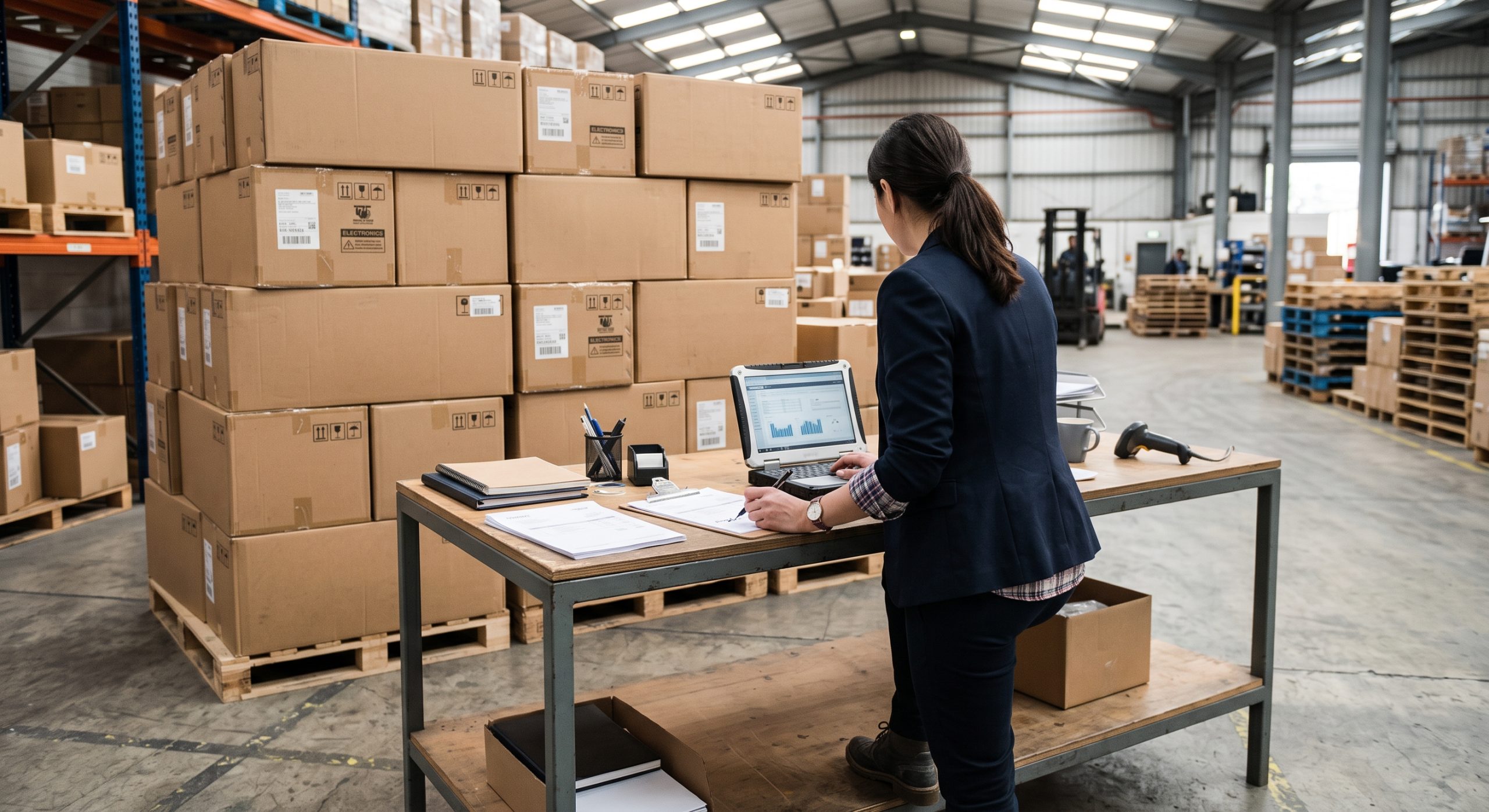
The Servicio Nacional de Aduanas is Chile’s customs authority. All commercial importers need to be registered with the SNA and have a valid RUT issued by the SII (Servicio de Impuestos Internos).
Step 2 — Select and verify your Miami supplier
Brand authorization matters in Chile just as in other markets. Chilean consumers and retailers expect manufacturer warranties. Source through an authorized US distributor. For guidance on evaluating suppliers, read what sets a trusted electronics wholesale company apart in today’s market.
Step 3 — Place your order and receive documentation
Your supplier provides a commercial invoice (factura comercial) and packing list. If claiming FTA benefits, you may also need a Certificate of Origin confirming products meet US-Chile FTA rules of origin.
Step 4 — Arrange freight
Air freight from Miami to Santiago (SCL): 10–14 hours flight, 5–10 business days total with customs. Sea freight from Miami to Valparaíso or San Antonio: approximately 15–20 days. Significantly cheaper per unit for large shipments.
Step 5 — Chilean customs clearance
Your agente de aduana files the DIN (Declaración de Ingreso) on arrival through the SNA’s SICEX system.
Step 6 — Pay IVA and duties, receive goods
Once the SNA processes the declaration and taxes are settled, goods are released.
4. Required Documents for Chilean Customs (SNA)
Factura Comercial: Full seller/buyer details, product descriptions with HS codes, quantities, unit prices, total value in USD, and Incoterms.
Packing List: Itemized breakdown of boxes, weights, dimensions, and contents.
Bill of Lading or Airway Bill: Issued by the carrier, required by the SNA as proof of shipment.
Certificate of Origin: Required if claiming preferential tariff treatment under the US-Chile FTA. Your Miami supplier should provide this for eligible products.
Insurance Certificate: Required for CIF shipments.
5. Duties, IVA, and Landed Cost
Customs Duty: 0% for eligible US-origin products under the FTA. 0–6% for non-FTA products.
IVA: 19% on imported goods, assessed on CIF value plus duties. IVA paid on imports is typically recoverable as a tax credit for registered businesses.
Estimated landed cost: For FTA-eligible electronics via air freight, budget approximately 22–28% above your Miami purchase price for total landed cost in Santiago.
For a framework on how to build a sustainable buying model around landed cost, read building sustainable growth with a wholesale electronics distributor.
6. Air vs. Sea from Miami to Chile
Air freight: 5–10 business days total. Best for high-value goods (smartphones, laptops) and urgent orders. Higher per-kg cost.
Sea freight: 15–20 days transit via Valparaíso or San Antonio. Significantly lower per-unit cost for large orders. Best for accessories, peripherals, and planned inventory builds.
Many Chile-focused buyers use a hybrid approach: air for fast-moving, high-value SKUs — sea for bulk accessories where transit time is less critical.
7. Choosing a Miami Wholesale Distributor for Chilean Buyers
FTA documentation support: Confirm your supplier can provide Certificates of Origin before placing your first order.
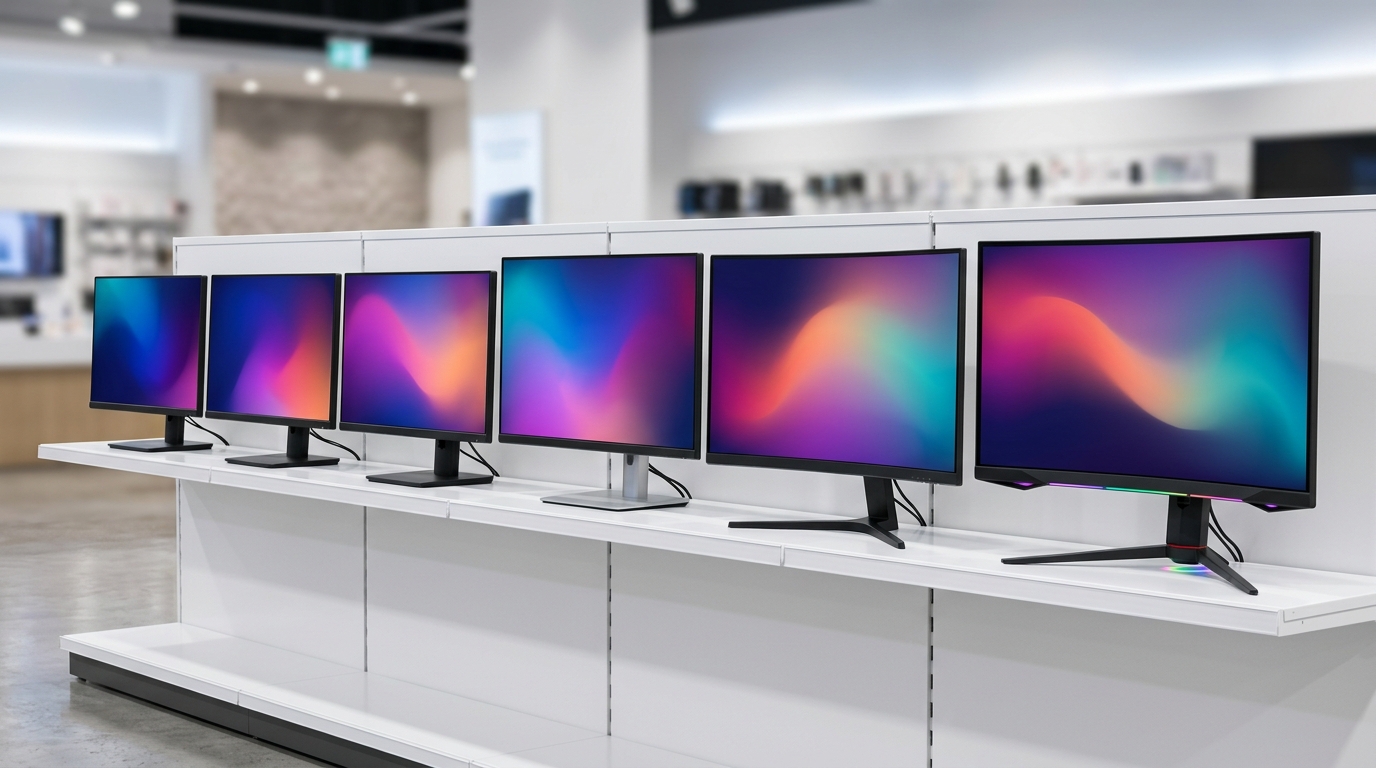
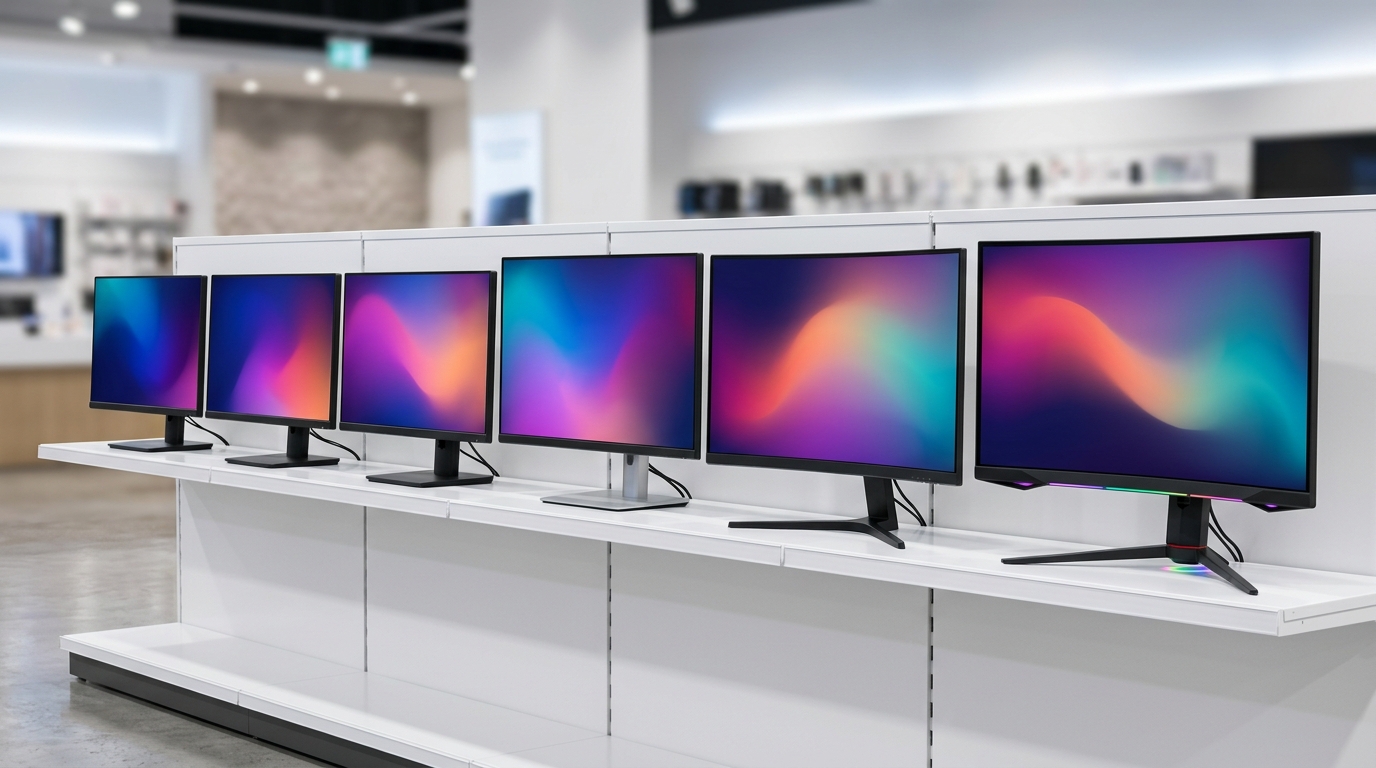
Catalog consolidation: Chile is far from Miami. The more you can consolidate into a single shipment, the lower your per-unit freight cost. Browse the ATC brand catalog to see the range.
LatAm experience: A distributor who ships regularly to Chile knows how to work with the SNA’s documentation requirements. Compare how this plays out across markets in our guides on importing to Colombia and importing to Panama.
8. How Abboud Trading Corp. Supports Chilean Buyers
ATC has been serving the Chilean market as part of its Latin American distribution network for many years. Chile is a key partnership market for ATC, with established freight forwarder relationships on the Miami–Chile route and documentation expertise that directly benefits buyers navigating the SNA’s requirements. See our dedicated Chile electronics distributor page for specifics on how we support Chilean importers.
For Chilean buyers, ATC provides: complete invoice and packing list documentation for SNA compliance, Certificate of Origin support for FTA-eligible products, coordination with freight forwarders on the Miami–Chile route (both air and sea), and a full catalog across mobile, computing, audio, gaming, accessories, and wearables.
Explore our distribution solutions and retail solutions. To get started, visit our contact page or call (786) 235-7007.
9. Frequently Asked Questions
How do I verify if my products qualify for 0% duty under the US-Chile FTA?
Your customs broker in Chile can run an HS code check against the FTA tariff schedule. Your Miami supplier should also be able to confirm origin status for their products.
Do I need to register electronics with any Chilean agency before selling?
Some electronics — particularly those with radio frequency components (WiFi routers, Bluetooth devices, phones) — may require SUBTEL homologation before commercial sale in Chile. Confirm with your customs broker for your specific product mix.
What other markets does ATC serve?
See our dedicated pages for Colombia, Panama, Mexico, and USA/Miami.